


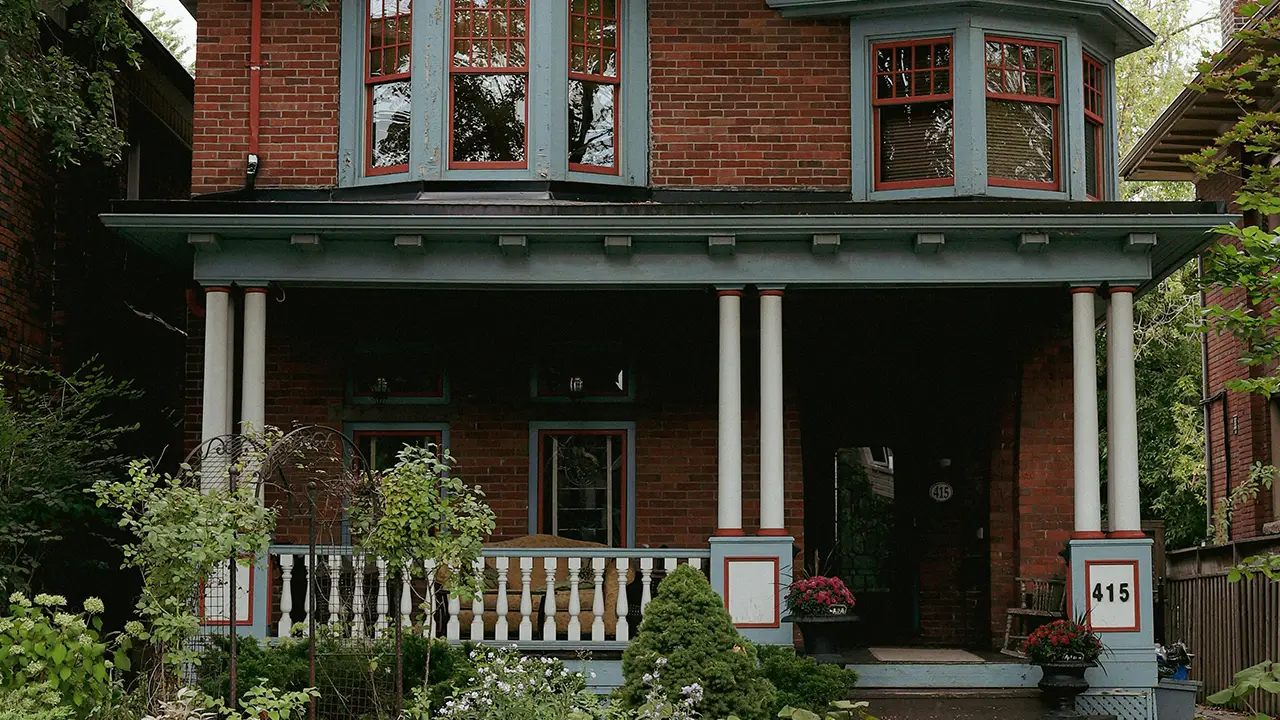
Buying a house in Toronto feels big because it is big. The prices are high, the market moves fast and the paperwork never seems to end. The good news is the whole thing follows a clear order, and once you know the order, the stress drops.
I’m Marco Pedri, and I walk buyers through this every month. In this guide I’ll show you how to buy a house in Toronto step by step, from your first budget check through to the day you get the keys. Think of this as a step by step guide you are able to follow from day one. The whole process feels lighter when you take one piece at a time, and the homebuying process rewards buyers who stay organized.
The Home Buying Process at a Glance
The home buying process is a chain of steps. Each one builds on the last, so skipping ahead often creates problems later.
Before we go deep, here is the big picture. You check your budget, save your down payment, get a mortgage pre approval, hire a real estate agent, search for homes, make an offer, line up your closing costs and close the deal.
What Are the Steps Involved in Buying a House in Toronto?
There are eight main steps. First, work out what you are able to afford. Second, save a down payment. Third, get pre-approved for a mortgage. Fourth, choose a buyer’s agent.
Fifth, search for homes to match your needs. Sixth, make an offer and add the right conditions. Seventh, plan for closing costs. Eighth, close the deal and move in.
How Long the Home Buying Process Takes
Most buyers spend a few months from first budget check to closing day. The search itself is sometimes quick and sometimes slow, since it depends on how many homes fit your list and how competitive your area is.
The closing date is set in your offer, so once you have a deal you will know exactly when the keys change hands. Allow time for the lawyer work, the mortgage paperwork and your move. A calm timeline protects you from last-minute stress, especially if you are also selling a home or ending a lease.
Step 1: Check Your Budget and Income
Your budget is the foundation of everything else. Before you look at a single listing, know what you are able to spend.
This step feels less fun than touring homes, but it saves heartbreak. I have seen buyers fall in love with a house they were not able to realistically afford, and it is a hard conversation for everyone.
Ongoing costs matter as much as the price. Your monthly expenses include property tax, home insurance, utilities and repairs, and each one is a direct cost of owning. Look at your financial situation honestly, and list every financial obligation you already have.
Start with your take-home pay and your current spending. Add your monthly mortgage payments, property tax, heat, home insurance and repairs, then see how much room is left. If the number feels tight, you are not able to realistically afford this price, and it is far better to learn this now than after you buy.
Know Your Monthly Mortgage Payments
Your monthly mortgage payments depend on three things: the amount of borrowing money you need, your interest rate and how long you take to repay the loan. A higher interest rate or a longer repayment period changes your monthly payments in a big way.
Use an online calculator, then ask your lender to confirm the figures. Remember, monthly payments are only part of the picture. Property tax, utilities and maintenance also need a spot in your plan, and many buyers forget them.
One client last year was surprised to learn her heating and property tax added up to nearly as much as a car payment. We adjusted her price range, and she bought with room to spare.
What Salary Do You Need to Buy a House in Toronto?
There is no single salary. The income you need depends on the purchase price, your down payment, the interest rate, your other debts and your monthly costs like property tax and heating.
Because rates and prices change, I will not give you one number here. Instead, use the method lenders use, then run your own figures with a mortgage broker.
How Much Income Do You Need to Buy a $500,000 House in Canada?
Here is a simple way to think about it. With the minimum 5% down payment on a $500,000 home, you would put down $25,000 and borrow the rest, plus a mortgage insurance premium.
The income you need then comes down to the interest rate and your debts. A lower rate and fewer debts mean a lower income requirement. Ask a lender to run the numbers for your exact situation, and ask what the minimum income required to afford the home would be.
Gross Monthly Income and Debt Ratios
Lenders look at your gross monthly income, which means your pay before taxes. They compare it with your housing costs and your total debts.
According to CMHC, a good guide is to keep housing costs near 32% of gross monthly income and total debt near 40%. For an insured mortgage, CMHC’s limits are 39% and 44%.
These are limits, not goals. Staying below them gives you breathing room if rates rise or life changes. Lenders also test your income against a higher interest rate than the one you will pay, so your mortgage broker will explain how the maximum mortgage is set.
If you have a partner, apply together and share your income, debts and credit details. Two incomes often raise the amount you are able to borrow, though they also mean two sets of obligations to review.
Step 2: Save for Your Down Payment
The down payment is often the biggest hurdle for Toronto buyers. It is also where good planning makes the biggest difference.
I tell my clients to pick a savings target and a date, then automate the savings. Keep your down payment in a safe, easy-to-reach account, and avoid risky investments for money you will need within a few years. Small, steady deposits beat big promises every time.
Your down payment lowers the amount you borrow, which lowers your payments. A larger down payment also helps you avoid mortgage default insurance. Even a small boost to your down payment opens up better mortgage options.
The minimum down payment is only the starting line. Many first time home buyers aim for more than the minimum down payment so they carry less debt. Your money saved also needs to cover closing costs, which you pay upfront on top of the down payment.
Minimum Down Payment Rules in Canada
According to the Government of Canada, the minimum down payment is 5% on the first $500,000 of the price, plus 10% on the portion between $500,000 and $1.5 million. At $1.5 million or more, the minimum is 20%.
If you put down less than 20%, you will usually need mortgage default insurance, also called mortgage insurance. The premium is added to your mortgage, so build it into your budget.
First Home Savings Account
The first home savings account, often called the FHSA, is built for first-time buyers. Tax deductible contributions go in, and tax free withdrawals come out when you buy a qualifying home.
Open one as early as you are able to, since contribution room builds over time. A home savings account like this pairs well with an RRSP, and many first time home buyers use both together. Ask your bank or advisor how the limits apply to you, because they change.
Registered Retirement Savings Plan and the Home Buyer’s Plan
The Home Buyers’ Plan lets you take money from a registered retirement savings plan, or RRSP, to buy a first home. According to the Canada Revenue Agency, the limit is $60,000, and you repay it over 15 years.
For first withdrawals between January 1, 2026 and December 31, 2028, repayment starts in the fifth year after the year you withdraw. Check the CRA page for the latest rules before you plan around it.
Tax Free Savings Account and Other Sources
A tax free savings account, or TFSA, is another handy place to save. Growth and withdrawals are tax free, so it works well for short-term goals like a down payment.
Many buyers also receive a gift from family. If this is your plan, your lender will want a signed gift letter and proof the money is truly a gift, so talk to them early.
Ask your lender or advisor about government programs and any housing rebate which applies to you. Eligible buyers sometimes find payment assistance or tax relief they did not know existed.
Step 3: Get Mortgage Pre-Approval
Mortgage pre approval is the step which turns a wish into a plan. A lender reviews your income, debts and credit, then tells you how much you are able to borrow.
I always push clients to do this before they tour homes. A pre-approval sets your price range and shows sellers you are serious.
Why a Mortgage Pre Approval Matters
A pre approved buyer moves faster and negotiates with confidence. Pre-approval helps set your price range, so you do not waste time on homes outside your budget, and it shows sellers you are serious about buying. Some lenders also let you lock in a rate during pre-approval, so ask about it. You also learn about problems early, such as a credit report error you are able to fix before you make an offer.
Lenders ask for documents to verify your information. Your credit history matters here, so check your credit report before you apply. Expect to share pay stubs, a letter of employment, tax records and statements for your savings.
Do not make large purchases or open new credit while you wait for your deal to close. Lenders often check your credit again before they release your mortgage funds, so a new car loan at the wrong time creates real trouble.
Pre-approvals do not last forever. Ask your lender how long yours is valid and whether your rate is held while you shop.
Mortgage Options and Your Maximum Mortgage
Your lender will tell you your maximum mortgage based on your income, debts, credit and the interest rate. The maximum mortgage amount is not a target. Many buyers choose to borrow less so their monthly payments stay comfortable.
Mortgage options also include the term length, how often you pay and the rules for paying extra. Ask your broker to explain each one, and ask what it costs to break a mortgage early.
Compare mortgage rates and mortgage terms from a few lenders, including a credit union and other financial institutions. Ask about the payment schedule and the amortization period too, since they shape what you pay each month.
Choose the mortgage options to match how long you plan to stay in the home. A buyer who expects to move in three years needs a different plan than one who plans to stay for twenty.
Working With a Mortgage Broker
A mortgage broker compares offers from several lenders for you. This helps you find a rate and terms to fit your goals.
Last spring I helped a couple who thought their bank was their only option. A broker found them a better fit in one phone call, and they saved real money over the term. Always compare at least two choices.
Fixed Rate Mortgage vs Variable Rate Mortgage
A fixed rate mortgage keeps your interest rate steady for the term. Your monthly mortgage payments stay the same, which makes budgeting simple.
A variable rate mortgage moves with the lender’s prime rate, so your payments or the share going to interest changes over time. Mortgage rates move, so ask your broker how often rates are updated, and compare mortgage terms before you commit. Neither option is always better, so pick the one you are able to live with when rates move.
Step 4: Choose a Real Estate Agent
A real estate agent is your guide through the search, the offer and the closing. Good agents know local streets, prices and negotiating habits, and home buyers who hire a real estate agent early get better guidance.
In Toronto real estate, it is common for buyers to work with their own agent. Real estate is a local business, so pick someone who knows the streets you want, not only the city in general. Your agent also explains the paperwork, including any buyer representation agreement, so you understand how the relationship works before you start.
What a Buyer’s Agent Does
Your agent finds homes, books showings, pulls recent sales and writes your offer. They also coordinate with your lawyer, your inspector and your lender.
If you are curious how agents and brokers differ, read my guide on real estate broker vs salesperson.
Questions to Ask Before You Hire
Your agent works hard before you ever see a home. They watch new listings, spot problems in the paperwork and keep you calm when emotions run high.
Interview more than one agent. Ask about their experience in your target area, how often they work with buyers like you and how they communicate during a busy week.
Look for a good track record and clear answers. A real estate professional who explains things in plain language and answers calls quickly is worth far more than one with a flashy ad. Also check reviews, and ask for references from recent clients.
Step 5: Start Your Home Search
Now the fun begins. With your budget and pre-approval in hand, you are ready to search with focus instead of hope.
Set up alerts for the neighbourhoods on your list, so you see new homes the day they appear. Good homes in a busy market sell in days, and being ready to book a showing quickly gives you a real edge.
Write down your must-haves and your nice-to-haves. Bedrooms, parking, commute and outdoor space usually top the list, and being honest about them keeps your home search on track.
House hunting is easier with a routine. Attend open houses on weekends, save your favourites and compare them against your must-have list. Treat each home as data, not a love story, and keep notes after every visit.
How to Read the Toronto Market
Toronto home sales move with the seasons, interest rates and buyer confidence. Rather than chase headlines, ask your agent for recent home sales on the exact streets you like. The Toronto Regional Real Estate Board publishes market data, and your agent will explain what it means for your search.
Market conditions shift, so a home purchase in spring feels different from one in winter. In a hot housing market, a bidding war is possible, and your agent will help you decide when to compete and when to wait. The average price in a neighbourhood is only a guide, since every home is different.
Compare asking prices with what homes sold for, and look at how long each Toronto home took to sell. A home which sits for weeks often gives you more room to negotiate.
A Toronto home in a hot pocket will draw several offers. Know your limit before you go in, and never bid past it.
Choose Your Neighbourhood and Home Type
Toronto is a city of many neighbourhoods, and each one has its own price and feel. Spend time in a few before you decide, at different hours of the day.
Think about your daily routine. Where will you work, shop and spend your weekends? A home which fits your habits will feel better than one which only looks good in photos. A short walk to transit or a quiet street for kids might matter more than an extra bedroom.
I once worked with a first-time buyer who was set on a detached house. After a few weekends of touring, he realized a townhome closer to the subway fit his life better, and it fit his budget too.
If a condo is on your list, my guide on how to buy a condo in Toronto covers what changes.
Step 6: Make an Offer and Set the Purchase Price
When you find the right home, your agent helps you set an offer. The purchase price you offer should reflect recent sales nearby, the condition of the home and the level of competition.
A strong offer is more than a number. It also covers your deposit, your closing date and your conditions, so your agent weighs all of them together before you submit.
Your home’s purchase price should match its value, not your hopes. Lenders compare the home’s purchase price with an appraisal, so a price set too high creates financing problems.
Home buyers who skip the comparison step often overpay on the purchase price. Do not let emotion pick the number. Your agent will show you comparable sales so you are able to offer with confidence. In my experience, buyers who prepare their numbers in advance stay calmer in a bidding situation and make better choices.
Negotiating Your Offer
After you submit an offer, the seller will accept it, reject it or send back a counter offer. A counter offer changes the price, the closing date or the conditions.
Offers are usually open for a short window, from a few hours to a few days, so be ready to decide. In a fast housing market, your financial situation and ongoing costs should guide your limit, not the pressure of the moment. Decide your limits before you start, so you do not negotiate with your heart. Your agent will advise you at each turn, and you always have the right to walk away.
Conditions: Financing and Home Inspection
Many offers include conditions, which are promises to be met before the deal becomes final. Two common ones are financing and a home inspection.
A financing condition gives you time to confirm your mortgage. Your lender often asks for an appraisal, and your mortgage funds are not released until everything is in order.
Home Inspection: What to Expect
A home inspection is a professional review of the property. The inspector checks the roof, the foundation, the electrical, the plumbing and the heating.
An inspection is especially helpful for older homes. It uncovers hidden problems like moisture and aging systems, and it gives you facts to negotiate a repair or walk away.
Ask your inspector to explain the report in plain words. A good one will walk you through the findings and tell you what is urgent and what is minor. Attend the inspection if you are able to, since seeing the issues in person makes them easier to judge. A good home inspection is cheap insurance on a large purchase.
Step 7: Plan for Closing Costs
Many first-time buyers focus on the down payment and forget this step. Please do not make this mistake, because running short of cash at closing puts the whole deal at risk.
Closing costs are the extra expenses due when the deal closes. They are separate from your down payment, and they are paid before the ownership transfer, so save for them early.
Typical closing costs include land transfer tax, legal fees, title insurance, an appraisal and adjustments for things like property tax. The home you buy also needs insurance before closing, so line this up too. Your lender will want proof of home insurance, so ask for quotes early.
Land Transfer Tax in Toronto
Toronto is unusual because buyers pay two land transfer taxes, one to the province and one to the city. According to the Government of Ontario, the provincial rates for a single-family home are 0.5% up to $55,000, 1% up to $250,000, 1.5% up to $400,000, 2% up to $2 million and 2.5% above $2 million.
The City of Toronto charges its own municipal land transfer tax, with matching rates up to $2 million. For example, on a $1 million home, each tax works out to $16,475 by these published rates, so the two together are $32,950. Your lawyer will confirm the exact figure.
First-Time Buyer Rebates
First-time buyers get some relief. Ontario’s rebate is up to $4,000, and Toronto’s is up to $4,475, for a combined $8,475 at most.
Toronto’s rebate has rules. You must be at least 18, you must never have owned a home anywhere in the world, you must be a Canadian citizen or permanent resident, and you must move in within nine months. Ask your lawyer to claim both rebates at closing. If you are buying with a partner who has owned before, the rules change, so check your situation with your lawyer before you rely on the full amount.
Ontario also has a non-resident speculation tax, so share your citizenship status with your lawyer early. Both the province and the city explain their rules on their websites.
Legal Fees, Real Estate Lawyer and Title Insurance
A real estate lawyer is a must. They review the contract, search the title, arrange title insurance and handle the money on closing day.
Hire your lawyer early, ideally before you make an offer, so they are ready to review the contract in time. Waiting until you have an accepted offer leaves you rushed when the clock is ticking.
Legal fees vary, so ask for a written quote before you hire. Title insurance protects you against certain title problems and fraud, and your lawyer will explain what it covers.
Other Closing Costs to Budget For
Beyond tax and legal work, CMHC lists home inspection and appraisal costs, insurance, land registration, prepaid property taxes or utilities, repairs and moving costs as upfront expenses.
Add them up early. A short list in a spreadsheet keeps surprises away, and your lawyer will give you a statement of adjustments before closing.
Step 8: Closing Day and Moving In
Closing day is the finish line. Everything you have done, from budget to inspection, comes together on this one date.
Book your movers early, since closing days tend to be busy. Arrange your utilities and internet so you have power and heat the day you arrive, and update your address with your bank, your employer and the government.
Plan to confirm your move, your utilities and your insurance a few weeks ahead. A calm closing is a planned one. If your plans are tight, build some cushion into your move dates, so a small delay does not turn into a big problem.
What Happens on the Closing Date
On the closing date, your lawyer and the seller’s lawyer finish the transfer. Your lender sends the mortgage money, you pay your remaining closing costs and ownership officially passes to you.
Do a final walk-through before closing to make sure the home is in the condition you agreed to buy. Check the appliances and fixtures listed in your contract are still there, and look for new damage since your inspection.
If something is wrong, tell your agent and lawyer right away, before you sign off. After the deal closes, you own the problem. Once your lawyer confirms the deal is complete, you pick up the keys. Take photos of the home on day one, change the locks and take a moment to enjoy the win.
Final Thoughts
Buying a house in Toronto is a big step, but it is a manageable one when you take it in order. Check your budget, save for your down payment, get pre-approved, choose a strong agent, search with focus, make a smart offer, plan for closing costs and enjoy your keys.
Whether you’re buying your first home or moving up in Toronto, you deserve a guide who explains each step in plain words.
I’m Marco Pedri, and I focus specifically on helping buyers in Toronto buy a house with confidence, from budget planning and mortgage pre-approval through to closing day and move-in. I’m committed to honest advice, real local market insight, and guiding you through the entire process with confidence.
If you are ready to start, reach out for a no-obligation conversation about your goals and your budget. You are also welcome to visit my Toronto real estate broker homepage.

